
Is Paternoster Safe for Tourists? A Local’s Guide
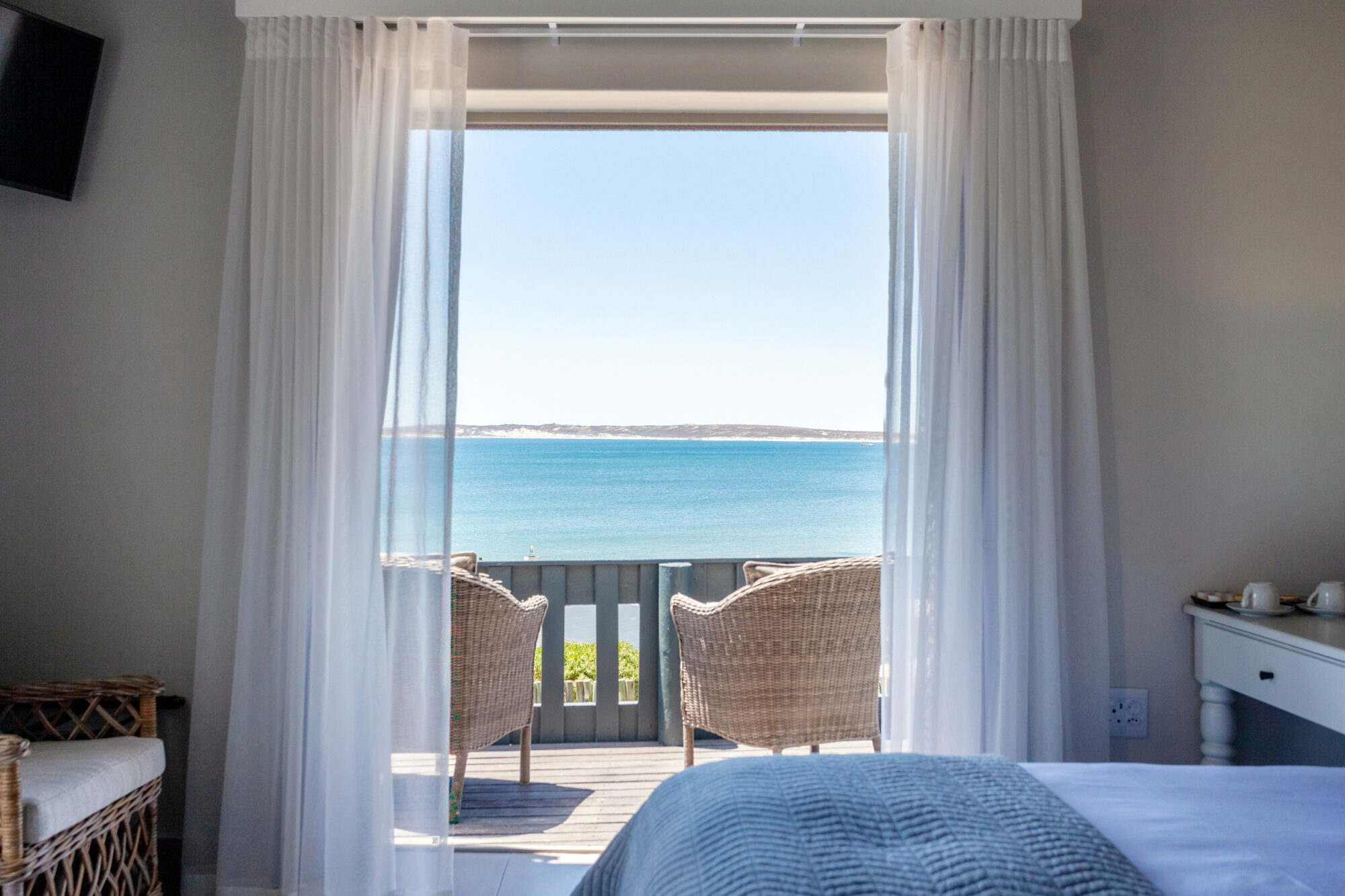
Quick answer: Yes, Paternoster is one of South Africa’s safest tourist destinations. The West Coast fishing village has a low crime rate, a tight-knit permanent community, and active private security. Hotels like the Abalone Hotel add 24-hour surveillance, secure parking, and in-room safes. Standard travel sense — being aware after dark, using reputable transport — is all that’s needed.
Exploring a new destination always brings a mix of excitement and caution, especially when it comes to safety. Paternoster, a quaint fishing village on South Africa’s West Coast, is known for its whitewashed cottages and endless beaches — and it’s also one of the safest coastal escapes in the country.
This guide covers what you actually need to know before you visit: how safe the village really is, how to navigate it sensibly, seasonal considerations, and how staying at a trusted hotel like the Abalone Hotel adds an extra layer of peace of mind.
Safety in Paternoster: an overview
Paternoster works the way small fishing villages work everywhere: neighbours know each other, strangers are noticed, and the local community has a vested interest in keeping the place welcoming for tourists. The permanent population is small, crime statistics for the village itself are low compared to the Western Cape average, and the main risk factors in South Africa’s bigger cities — opportunistic theft in dense tourist zones, hijackings near highways — simply aren’t part of daily life here.
Layered on top of that community-level safety, hotels in Paternoster like the Abalone Hotel add their own security infrastructure: 24-hour surveillance, controlled access, secure off-street parking, and in-room safes. Staff are trained in local safety practice and can advise on everything from which beach to walk at dusk to which transport services to book. On arrival you’ll get a welcome pack with emergency numbers and local contacts.
Outside the hotel, Paternoster’s appeal is its open beaches, small eateries, and artisanal markets. The same basic rules apply here as in any travel destination: be aware of your surroundings, don’t leave valuables visible in your car, and prefer daylight for longer walks. The local authorities and businesses work together to keep the village safe — but your good travel sense is still part of the equation.
Navigating Paternoster: practical tips
Transport
Paternoster is small enough that most of it is walkable, but there’s no local bus network. For longer trips — to the Cape Columbine lighthouse, nearby wineries, or to compare Paternoster with Langebaan or Yzerfontein — you’ll need a car, a booked shuttle, or a taxi. Ask the Abalone Hotel concierge to arrange transport rather than flagging something down; the staff know which operators are licensed and reliable, and they can book private transfers for longer routes including airport pickups.
Walking around the village
Walking is one of the nicest things to do in Paternoster — fishermen at work, waves rolling in, whitewashed cottages catching the light. Stick to the main streets and public beaches during daylight hours, and after dark keep to lit areas near restaurants and the hotel. The village has a low crime rate, but basic awareness (not flashing valuables, walking with a companion at night) is still sensible. Most guests find that two or three days is enough to cover the whole village on foot.
Emergency contacts
On check-in at any hotel in Paternoster, save the local emergency numbers to your phone. The Abalone Hotel provides a welcome pack with medical, police, and private security contacts, plus the hotel’s own 24-hour reception line. If you’re driving, keep the SAPS (10111) and national ambulance (10177) numbers saved as a backup.
Seasonal safety in Paternoster
Paternoster has a Mediterranean climate: hot, dry summers (Dec–Feb) and mild, wet winters (Jun–Aug). Each season brings its own practical considerations.
Summer (Dec–Feb): The main risks are sun exposure and strong afternoon winds. Daytime temperatures can hit the mid-30s and the famous West Coast southeaster can pick up quickly. Drink water constantly, use high-SPF sunscreen, and don’t leave the beach without a layer if the wind is building. The Abalone Hotel’s rooms are air-conditioned and guests have access to cool water throughout the day.
Winter (Jun–Aug): Milder temperatures (8–18°C) but sporadic cold fronts bring rain and choppy seas. The coastline can be dangerous when the swell is up — avoid rock pools and unmarked paths during stormy weather. On the upside, storm-watching from the ocean-view beach villas is genuinely special, and the post-rain beach walks are some of the best of the year.
Spring (Aug–Oct): Generally the safest and most comfortable season to visit, and it overlaps with the famous West Coast flower season. If you’re planning to drive to see the wildflowers, check road conditions and tell hotel staff your route for the day.
The bottom line
Paternoster is one of South Africa’s safer coastal escapes — a small fishing village with a tight community, low crime, and hotels that take security seriously. Pair that with standard travel awareness and you’re free to enjoy the beaches, local experiences, and long meals at Blues Restaurant without the background worry of a bigger destination. Ready to visit? Book your stay at the Abalone Hotel.
Frequently asked questions
Yes. Paternoster is widely considered one of the safer tourist destinations in the Western Cape thanks to its small permanent community, low crime rate, and the safety measures implemented by local businesses like the Abalone Hotel. Standard travel precautions — being aware after dark, using reputable transport, not leaving valuables visible — are all that’s needed.
Paternoster has one of the lowest crime rates of any coastal tourist destination in the Western Cape. As a small fishing village with a tight-knit permanent community, serious crime is rare. Opportunistic theft can happen as in any destination, which is why hotels like the Abalone Hotel provide secure parking, 24-hour surveillance, and in-room safes.
Yes. The R27 West Coast Road is a well-maintained, two-lane provincial route used daily by locals and tourists. Drive in daylight where possible, keep fuel topped up (fuel stops are spaced), and stick to the main route rather than shortcuts. The Abalone Hotel can arrange private transfers from Cape Town or Cape Town International Airport if you’d prefer not to drive.
Paternoster is approximately 155 kilometres north of Cape Town on the West Coast — a scenic drive of around 1 hour 45 minutes via the R27. The route passes through Yzerfontein and the West Coast National Park. Most guests at the Abalone Hotel arrive by car from Cape Town International Airport.
Spring (August–October) is the most popular time thanks to the West Coast flower season; autumn (March–May) offers warm, calm weather and fewer crowds; and summer (December–February) is ideal for beach-focused trips. Winter is quieter but atmospheric, especially for storm watching. See our full West Coast flower season guide for spring visits.
Paternoster has a Mediterranean climate: hot, dry summers (Dec–Feb) of 22–32°C and mild, wet winters (Jun–Aug) around 8–18°C. Spring and autumn are temperate and widely considered the best times to visit. The West Coast is known for strong afternoon winds, especially in summer.
Yes. Summer risks are sun exposure, heat exhaustion, and strong coastal winds — stay hydrated and use high-SPF sunscreen. Winter brings sporadic rainfall and choppy seas, so avoid rock pools and unmarked coastal paths during storms. Hotel staff can advise on conditions each day.
Yes. Hotels like the Abalone Hotel offer 24-hour security, in-room safes, secure parking, air-conditioned rooms, and a welcome pack with emergency contacts. Staff can arrange transport, advise on routes, and help with any incidents that arise during your stay.
Yes. Paternoster is ideal for overnight and weekend stays. The Abalone Hotel offers hotel rooms, Oyster Villa suites, ocean-view beach villas, and a two-bedroom apartment — all within walking distance of the beach and restaurants. Most couples stay one to three nights; wildflower-season visitors often stay longer.